
NEW DELHI | Editorial
"THE IMPACT OF CLIMATE CHANGE ON GLOBAL HEALTH"
The Impact of Climate Change on Global Health
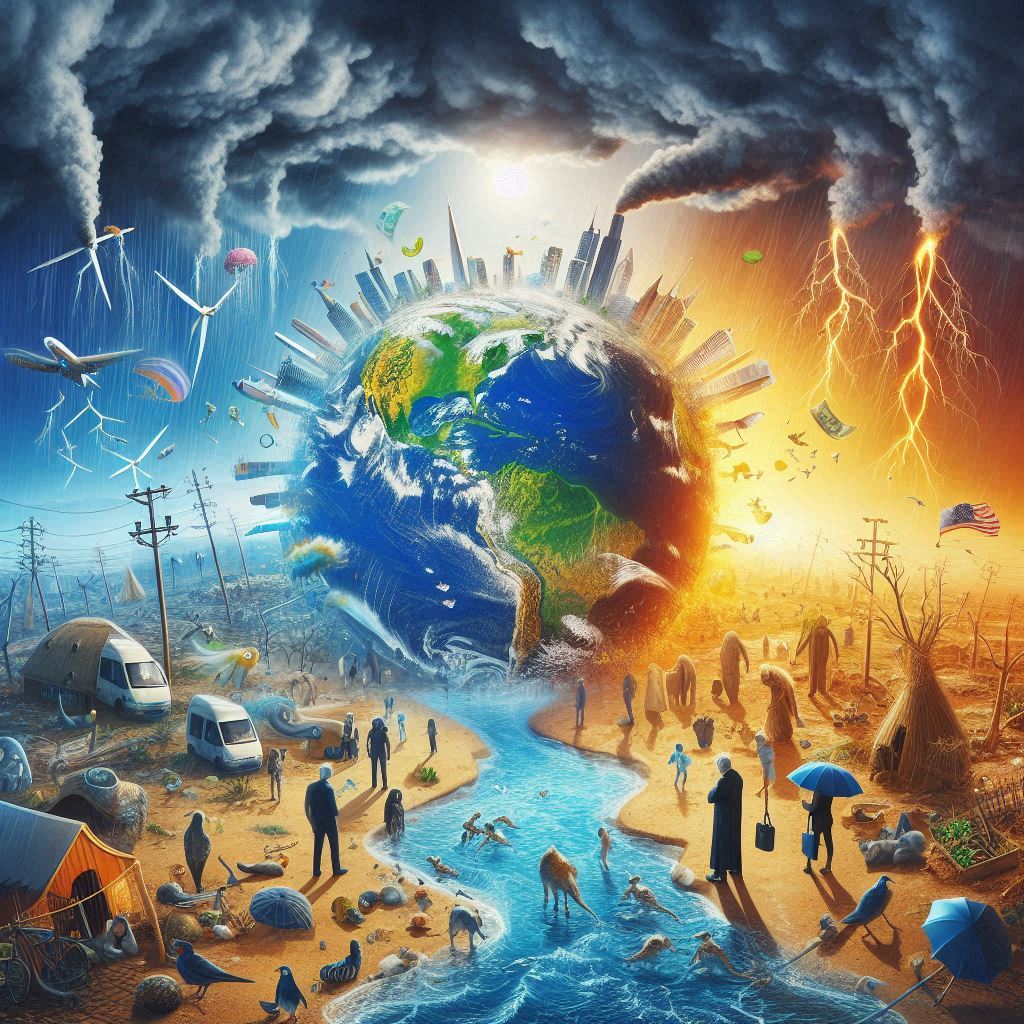
Climate change is not just an environmental issue; it is a profound global health crisis that affects every aspect of human life. As temperatures rise, weather patterns shift, and natural disasters become more frequent, the health of populations worldwide is increasingly at risk. Understanding the multifaceted impacts of climate change on health is crucial for developing effective strategies to mitigate these effects and protect future generations.
1. Direct Health Effects
The most immediate health impacts of climate change are related to extreme weather events. Heatwaves, floods, and hurricanes can lead to injuries, fatalities, and the destruction of healthcare infrastructure. For instance, heat-related illnesses, such as heat exhaustion and heatstroke, are on the rise, particularly among vulnerable populations like the elderly and those with pre-existing health conditions. Additionally, flooding can contaminate water supplies, leading to outbreaks of waterborne diseases such as cholera and dysentery.
2. Respiratory and Cardiovascular Issues
Air quality is another critical concern. Climate change exacerbates air pollution, primarily through increased emissions from wildfires and higher temperatures that facilitate the formation of ground-level ozone. Poor air quality is linked to respiratory diseases, including asthma and chronic obstructive pulmonary disease (COPD), as well as cardiovascular problems. The World Health Organization estimates that air pollution contributes to millions of premature deaths each year, highlighting the urgent need for action.
3. Vector-Borne Diseases
Climate change also influences the spread of vector-borne diseases, such as malaria, dengue fever, and Zika virus. Warmer temperatures and altered rainfall patterns create favorable conditions for mosquitoes and other vectors to thrive, expanding their geographic range. This shift poses a significant threat to public health, particularly in regions that were previously unaffected by these diseases. As a result, health systems must adapt to manage the increased burden of infectious diseases.
4. Food Security and Nutrition
The impact of climate change on agriculture and food security cannot be overlooked. Changing weather patterns can lead to crop failures, reduced yields, and increased food prices, which disproportionately affect low-income populations. Malnutrition is a direct consequence of food insecurity, leading to stunted growth in children and increased susceptibility to disease. Addressing these challenges requires innovative agricultural practices and policies that promote sustainable food systems.
5. Mental Health Implications
The psychological effects of climate change are gaining recognition as a critical aspect of public health. Natural disasters can lead to trauma, anxiety, and depression, particularly among those who have lost loved ones or their homes. The uncertainty and fear surrounding climate change can also contribute to a phenomenon known as "eco-anxiety," where individuals experience chronic worry about the future of the planet. Mental health services must be integrated into climate adaptation strategies to support affected populations.
6. Vulnerable Populations
Certain groups are more vulnerable to the health impacts of climate change, including children, the elderly, and those with pre-existing health conditions. Marginalized communities often lack the resources to adapt to changing conditions, making them disproportionately affected. Addressing health disparities is essential for building resilience and ensuring that all populations can thrive in a changing climate.
7. Global Health Initiatives
In response to the growing health crisis posed by climate change, global health initiatives are emerging. The World Health Organization and other organizations are advocating for policies that prioritize health in climate action plans. These initiatives aim to reduce greenhouse gas emissions, promote sustainable practices, and enhance public health infrastructure. Collaboration between governments, NGOs, and communities is vital for creating effective solutions.
8. Inspiring Action for Change
Despite the daunting challenges posed by climate change, there is hope. Individuals and communities worldwide are taking action to combat climate change and protect public health. Grassroots movements, innovative technologies, and sustainable practices are emerging as powerful tools for change. By raising awareness, advocating for policy changes, and adopting sustainable lifestyles, we can collectively work towards a healthier planet.
Conclusion
The impact of climate change on global health is profound and far-reaching. As we face this unprecedented challenge, it is essential to recognize the interconnectedness of our environment and health. By prioritizing climate action and investing in public health, we can create a healthier, more resilient future for all. The time to act is now, and together, we can inspire change and safeguard the health of generations to come.vulnerable


