
"THE ENVIRONMENTAL COST OF FAST FASHION"
The Environmental Cost of Fast Fashion: A Call to Action
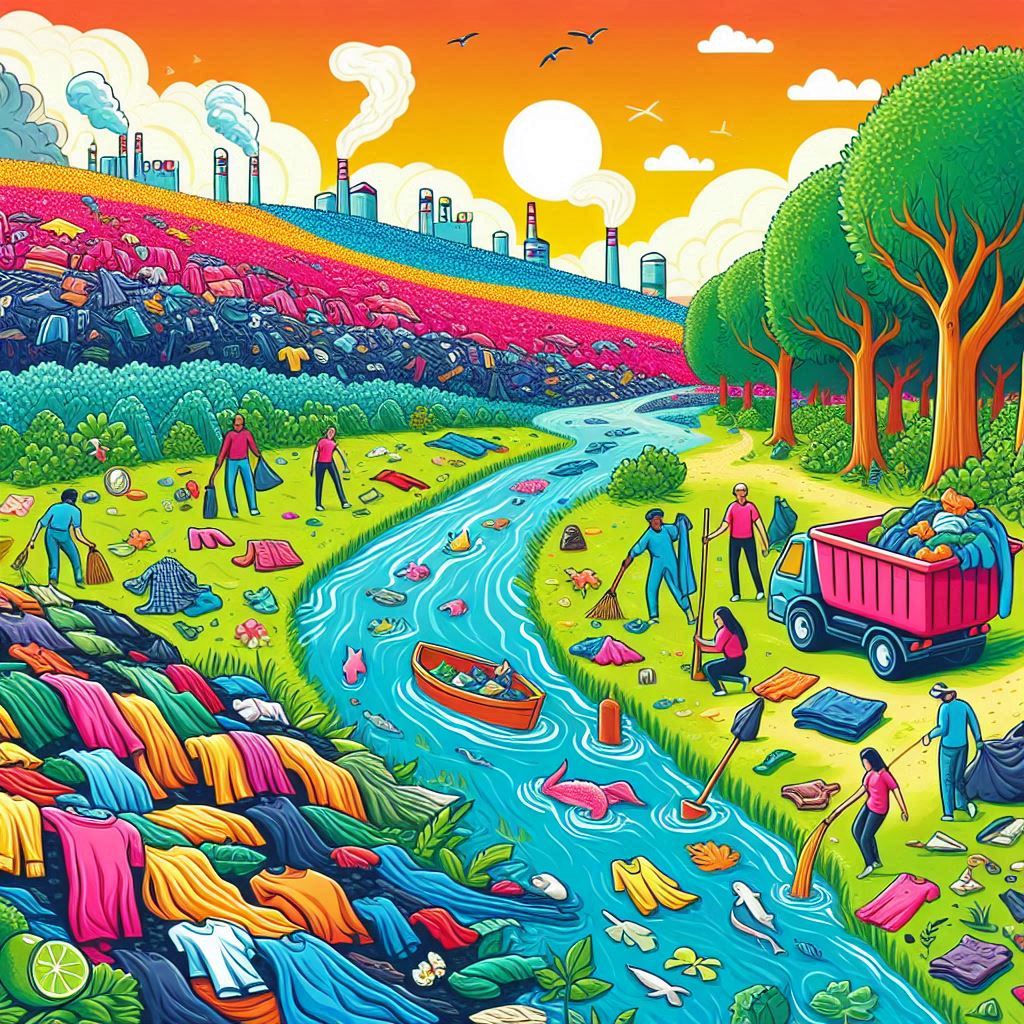
Fast fashion has revolutionized the clothing industry, making trendy apparel accessible to millions at a low cost. However, this convenience comes at a significant environmental price. As we delve into the environmental costs of fast fashion, it becomes clear that urgent action is needed to mitigate its impact.
1. Water Consumption and Pollution
The fast fashion industry is one of the largest consumers of water globally. It takes approximately 2,700 liters of water to produce a single cotton t-shirt, enough for one person to drink for two and a half years. This excessive water usage strains local water supplies, particularly in developing countries where many garments are produced. Moreover, the dyeing and finishing processes release toxic chemicals into waterways, polluting rivers and harming aquatic ecosystems. The result is a cycle of depletion and contamination that threatens both human health and biodiversity.
2. Carbon Emissions
Fast fashion is responsible for about 10% of global carbon emissions, surpassing the emissions from international flights and maritime shipping combined. The production of synthetic fibers, such as polyester, contributes significantly to these emissions. As the demand for cheap clothing rises, so does the carbon footprint of the industry. The urgency to transition to sustainable practices is paramount, as climate change continues to pose a severe threat to our planet.
3. Waste Generation
The fast fashion model promotes a culture of disposability, leading to staggering amounts of textile waste. Approximately 92 million tons of waste are generated by the fashion industry each year, with a significant portion ending up in landfills. Many fast fashion items are made from non-biodegradable materials, which can take hundreds of years to decompose. This waste not only occupies valuable land but also contributes to greenhouse gas emissions as it breaks down.
4. Exploitation of Resources
The fast fashion industry often relies on unsustainable practices that exploit natural resources. The production of cotton, for instance, requires vast amounts of pesticides and fertilizers, which can degrade soil quality and harm local ecosystems. Additionally, the demand for cheap labor in developing countries often leads to poor working conditions and environmental degradation. This exploitation raises ethical concerns about the true cost of our clothing.
5. The Role of Consumers
As consumers, we hold significant power in shaping the fashion industry. By making conscious choices, we can drive demand for sustainable practices. Supporting brands that prioritize ethical production, use eco-friendly materials, and advocate for transparency in the supply chain are essential steps toward reducing the environmental impact of fashion. Additionally, embracing a mindset of quality over quantity can help combat the throwaway culture perpetuated by fast fashion.
6. Innovative Solutions
The future of fashion lies in innovation and sustainability. Brands are beginning to adopt circular economy principles, focusing on recycling and reusing materials to minimize waste. Technologies such as 3D printing and sustainable fabric production are emerging as viable alternatives to traditional methods. By investing in research and development, the fashion industry can transition toward more sustainable practices that benefit both the environment and consumers.
7. A Collective Responsibility
Addressing the environmental costs of fast fashion requires a collective effort from all stakeholders, including consumers, brands, and policymakers. Governments can implement regulations to hold companies accountable for their environmental impact, while consumers can advocate for change through their purchasing decisions. By working together, we can create a fashion industry that prioritizes sustainability and respects the planet.
Conclusion
The environmental cost of fast fashion is a pressing issue that demands our attention. As we navigate the complexities of modern consumerism, it is crucial to recognize the impact of our choices on the environment. By embracing sustainable practices, supporting ethical brands, and advocating for change, we can inspire a movement toward a more responsible and environmentally friendly fashion industry. The time for action is now—let us be the change we wish to see in the world.


