
"THE SIGNIFICANCE OF CULTURAL HERITAGE IN URBAN PLANNING"
The Significance of Cultural Heritage in Urban Planning
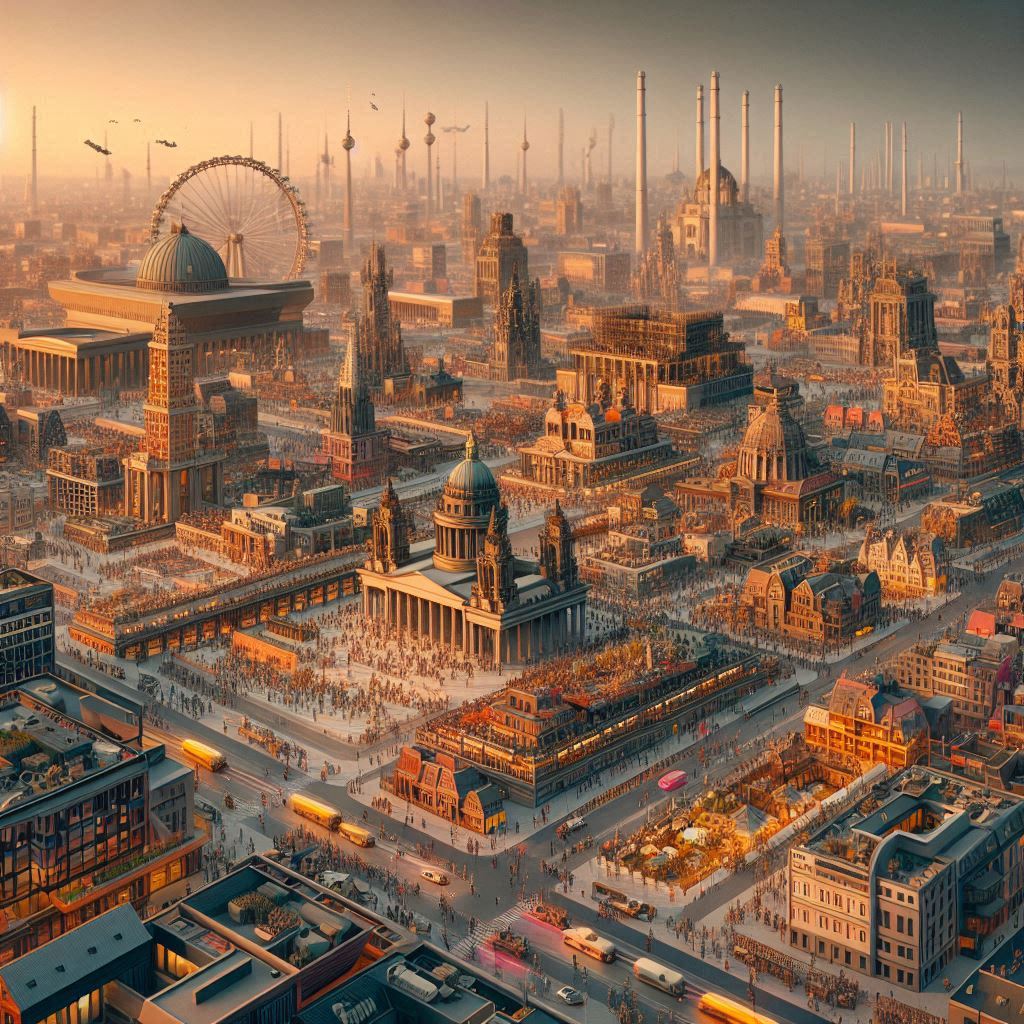
Cultural heritage plays a pivotal role in shaping urban environments, influencing not only the aesthetic and historical aspects of cities but also their social fabric and economic vitality. As urban areas continue to expand and evolve, integrating cultural heritage into urban planning becomes essential for fostering sustainable and vibrant communities.
Understanding Cultural Heritage
Cultural heritage encompasses the traditions, monuments, artifacts, and practices that define a community's identity. It includes both tangible elements, such as historic buildings and landscapes, and intangible aspects, like folklore and traditional crafts. Recognizing and preserving these elements is crucial for maintaining a sense of place and continuity in rapidly changing urban landscapes.
Enhancing Urban Identity and Community Cohesion
Incorporating cultural heritage into urban planning enhances a city's identity, making it unique and attractive to residents and visitors alike. Historic districts, cultural landmarks, and public art contribute to a city's character, fostering pride among residents. This sense of belonging can lead to stronger community ties, as people engage with their heritage and participate in local traditions and events.
Moreover, cultural heritage can serve as a catalyst for social inclusion. By recognizing and celebrating diverse cultural backgrounds, urban planners can create spaces that reflect the multicultural nature of modern cities. This inclusivity not only enriches the urban experience but also promotes dialogue and understanding among different communities.
Economic Benefits of Cultural Heritage
Investing in cultural heritage can yield significant economic benefits. Heritage tourism, for instance, attracts millions of visitors each year, generating revenue for local businesses and creating jobs. Cities that prioritize their cultural assets often see increased foot traffic, which can revitalize struggling neighborhoods and stimulate economic growth.
Furthermore, preserving historic buildings and sites can be more cost-effective than new construction. Adaptive reuse of existing structures not only conserves resources but also maintains the historical narrative of a place. This approach can lead to innovative developments that honor the past while meeting contemporary needs.
Sustainable Urban Development
Cultural heritage is intrinsically linked to sustainability. By integrating heritage conservation into urban planning, cities can promote environmentally friendly practices. For example, preserving existing buildings reduces the carbon footprint associated with new construction and minimizes waste. Additionally, heritage sites often serve as green spaces, contributing to urban biodiversity and enhancing residents' quality of life.
Urban planners can also draw inspiration from traditional building techniques and materials that are often more sustainable than modern alternatives. By blending these practices with contemporary design, cities can create spaces that are both functional and respectful of their historical context.
Challenges and Opportunities
Despite its significance, the integration of cultural heritage into urban planning faces challenges. Rapid urbanization, globalization, and economic pressures can threaten the preservation of cultural assets. Planners must navigate these complexities while advocating for policies that protect heritage sites and promote community engagement.
Opportunities abound for innovative solutions that bridge the gap between development and preservation. Collaborative approaches involving local communities, heritage organizations, and government agencies can lead to more effective planning processes. Engaging stakeholders in decision-making ensures that diverse perspectives are considered, fostering a sense of ownership and responsibility for cultural heritage.
Conclusion
The significance of cultural heritage in urban planning cannot be overstated. It enriches urban identity, fosters community cohesion, and drives economic growth while promoting sustainability. As cities continue to evolve, embracing cultural heritage will be essential for creating vibrant, inclusive, and resilient urban environments. By prioritizing heritage in planning processes, we can build cities that honor the past while paving the way for a sustainable future.
In this journey, let us remember that our cultural heritage is not just a relic of the past; it is a living, breathing part of our urban landscape that shapes our present and future. Embracing this heritage is not only an act of preservation but also a commitment to fostering a sense of belonging and identity in our ever-changing world.


