EHLERS DANLOS SYNDROME
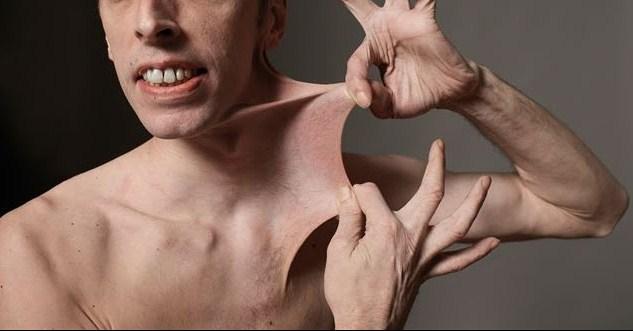
(EDS) is a group of inherited connective tissue disorders characterized by symptoms such as hyper-flexible joints, skin that is easily bruised, and a tendency to develop scars.
-
Ehlers-Danlos syndrome is a collection of heritable connective tissue disorders.
-
It primarily affects the skin, joints, and blood vessels.
Types of EDS
-
Hypermobile EDS (hEDS): Most common type, characterized by generalized joint hypermobility and chronic pain.
-
Classical EDS (cEDS): Notable for skin fragility and atrophic scarring, caused by mutations in COL5A1 and COL5A2.
-
Kyphoscoliotic EDS (kEDS): Early-onset kyphoscoliosis and hypotonia, associated with PLOD1 and FKBP14.
-
Other rare types include Musculocontractural EDS, Spondylodysplastic EDS, and Brittle Cornea Syndrome, each with unique symptoms and genetic underpinnings.
Inheritance Patterns
-
Autosomal Dominant: One copy of the mutated gene is sufficient to cause the disorder (e.g., hEDS, cEDS, vEDS).
-
Autosomal Recessive: Two copies of the mutated gene are required (e.g., kEDS, dEDS).
Management and Treatment
There are no specific treatments for EDS; management focuses on symptom relief:
-
Physical therapy to strengthen muscles and stabilize joints.
Prognosis and Future Considerations
-
The prognosis varies significantly among individuals and types of EDS.
-
Ongoing research aims to better understand the genetic causes and develop targeted therapies.